How to Audit AI Drafts Without Losing Your Voice

Learn how to audit AI drafts for factual errors, generic phrasing, weak logic, and citation gaps while keeping your voice, meaning, and keywords intact.
Learn how to audit AI drafts for factual errors, generic phrasing, weak logic, and citation gaps while keeping your voice, meaning, and keywords intact.

Are detectors consistent across tools and drafts? Learn why AI scores shift, what causes disagreement, and how to review writing without false confidence.

Learn how to maintain logical flow in AI drafts with structural checks that preserve meaning, strengthen transitions, and keep every paragraph moving well.
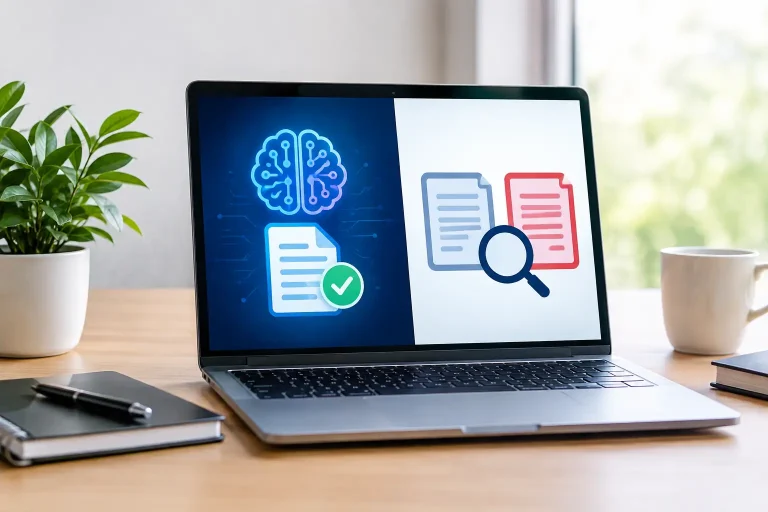
AI detectors versus plagiarism tools flag different risks. Learn what each analyzes, where each fails, and how to review AI-assisted work responsibly.
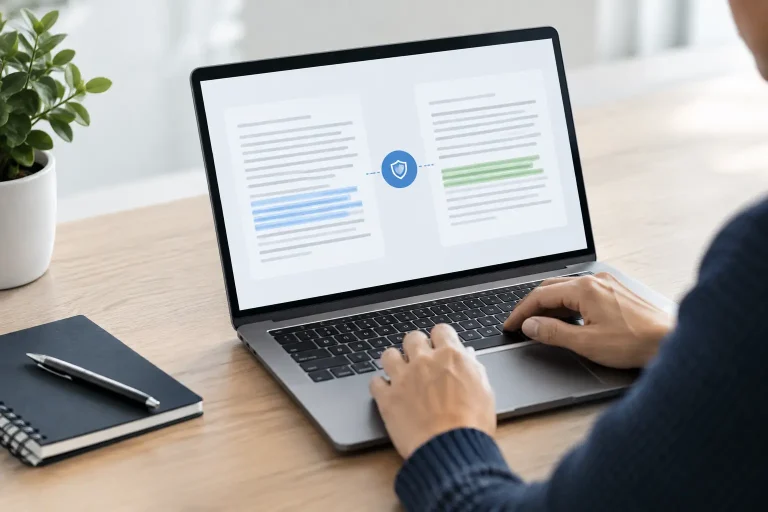
Can detectors identify paraphrased text? See how AI and plagiarism systems score rewrites, where they fail, and how to preserve meaning, voice, and trust.
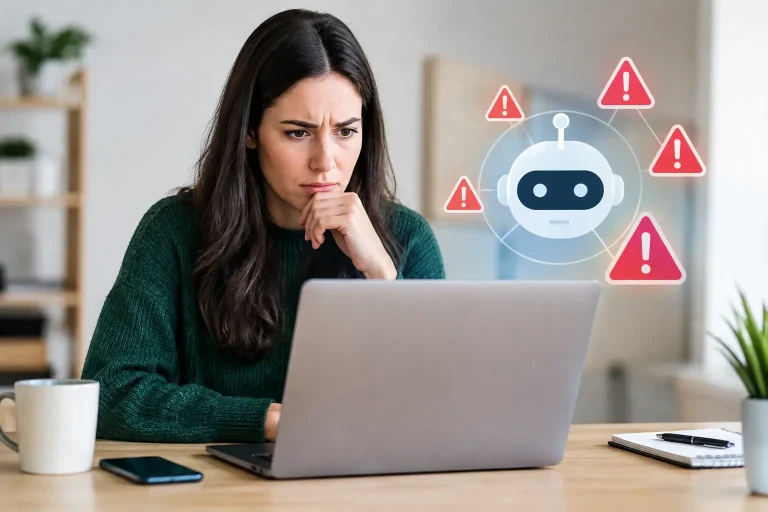
AI detector false positives can put real work at risk. Learn why they happen, what triggers them, and how to respond with evidence and context - fairly.
Are AI detectors reliable? Learn why false positives happen, what detection scores miss, and how to assess AI-assisted writing with better judgment today.
Our Turnitin detector review explains what AI scores mean, where false positives happen, and how to revise AI-assisted work without losing your voice.

Turnitin AI detection can flag patterns, not prove authorship. Learn what its score means, why false positives happen, and how to submit stronger work.
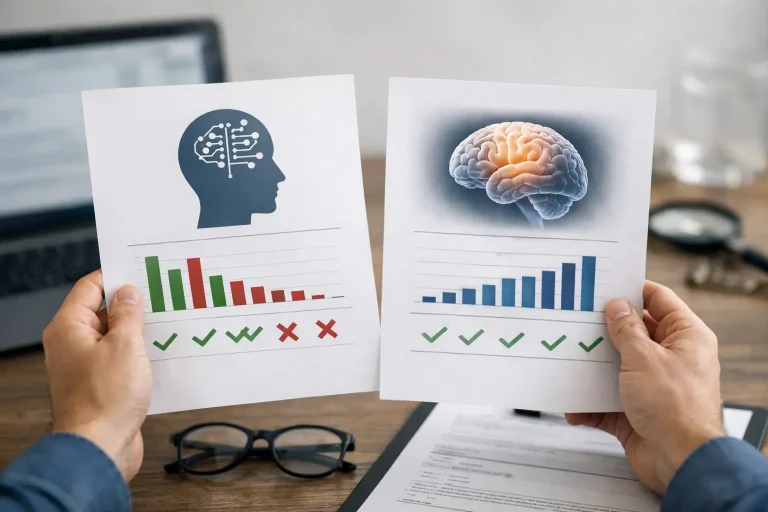
Read our GPTZero accuracy review to learn what detection scores measure, where false positives happen, and how to use results fairly in real workflows.